George Achini
International musician. Homeless advocate. Village builder.
A Village Boy with a Gift
George Achini grew up in Babanki Tungo, a tiny village in Cameroon where his family hunted and skinned animals for meat and ground their own flour for bread. One road in, one road out. You had to walk everywhere. It was as village as village can be.
But George had something the village couldn't contain — a gift for music that would carry him far beyond those dirt roads.
The Hottest Bands in West Africa
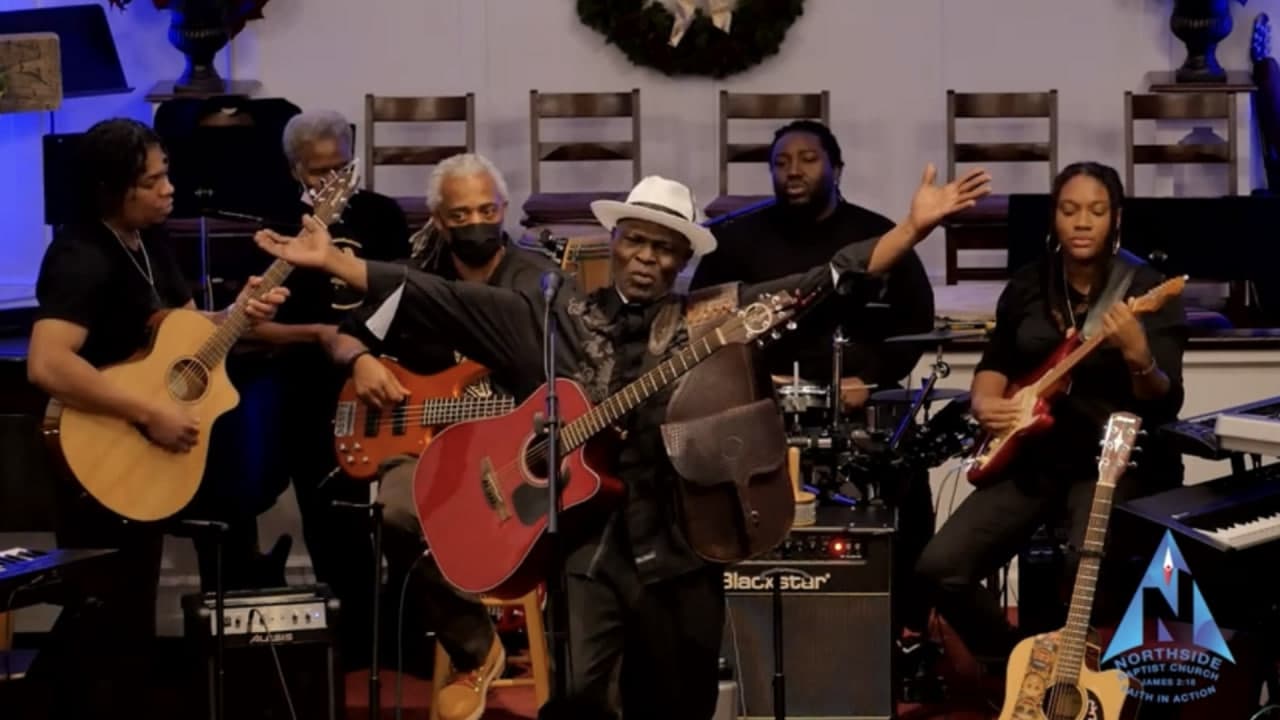
George Achini performing with his band
By the late 1970s and early '80s, George was playing for some of the biggest names on the African continent — recording with the Mighty Flames and the legendary Sonny Okosun. His guitar work became part of the Afrobeat, funk, and disco explosion that was setting dance floors on fire across Nigeria and beyond.
His talent crossed oceans. He performed alongside American hit makers like the Fatback Band and Millie Jackson. Those connections brought him to the United States — by way of Cuba — in 1984. George Achini had arrived.
The Fall
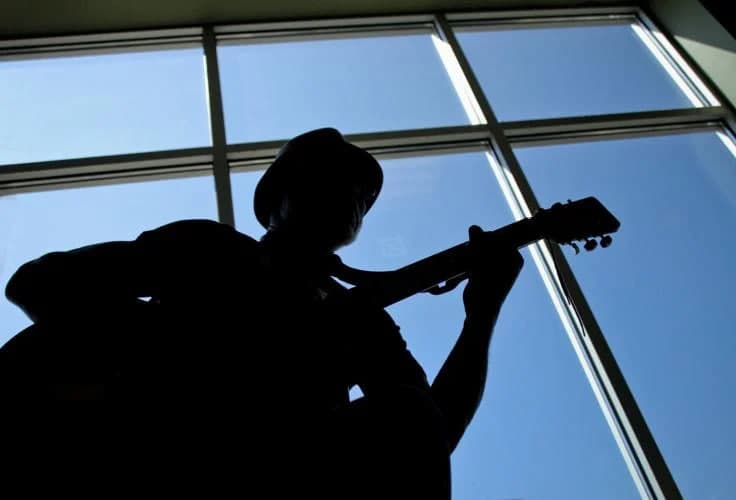
Mental illness and drug abuse eventually derailed George's career. He was diagnosed with bipolar disorder. The manic episodes and depression became so severe he wished he was dead. The daily struggle to survive made it nearly impossible to hold a job.
He moved to Greensboro to be near his nephew. Then his house burned down. He became homeless.
“America is very, very intimidating. I did not know I could go to a shelter and get food. So I got my food from a trash can, and I was living in a garage which was colder inside in the winter than it was outside.”
The Comeback — On His Own Terms
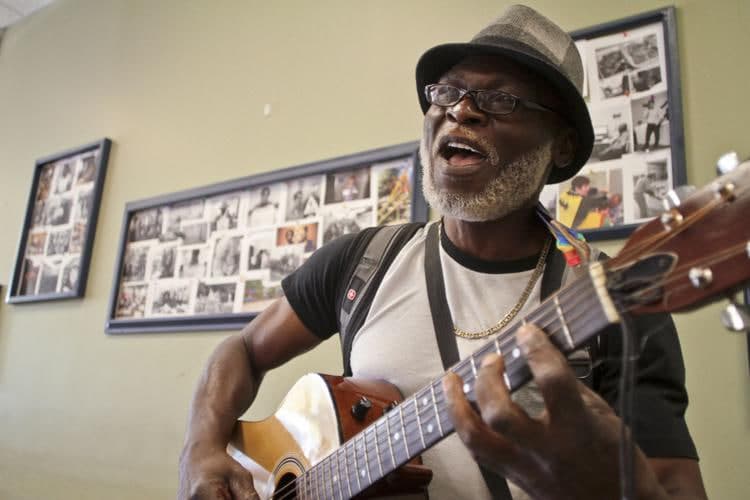
George performing at the Interactive Resource Center
When George had no other way to make money, he went back to the one thing that never left him — his guitar. He began playing on the streets of downtown Greensboro. He bought his instruments from pawnshops, putting them on layaway with money earned from street performances.
Then he started building again. He founded the George Achini Institute — a music school with about a dozen members who practice at the Interactive Resource Center, a day center for the homeless. He created the Victory Cafe — an open stage for musicians, artists, and poets from the homeless community.
He became a tireless advocate, hosting events to shed light on homelessness, speaking at city council meetings, and developing the comprehensive treatment model that would become Achini's Village.
The Vision
George didn't just survive homelessness — he studied it from the inside. He watched the same people cycle through shelters year after year. He saw that emergency services kept people alive but never addressed the root causes.
“You can't fix everybody, but imagine you have a four-year program like college. You can evaluate their mental, physical, emotional — and you add an employment agency, so there's work.”
That vision is Achini's Village — a campus where residents live, heal, learn, and rebuild over four years. Not a shelter. A village.
Explore More of George's Story
George's music touched the world. Explore how close he came to its greatest legends — and see how the press has told his story.